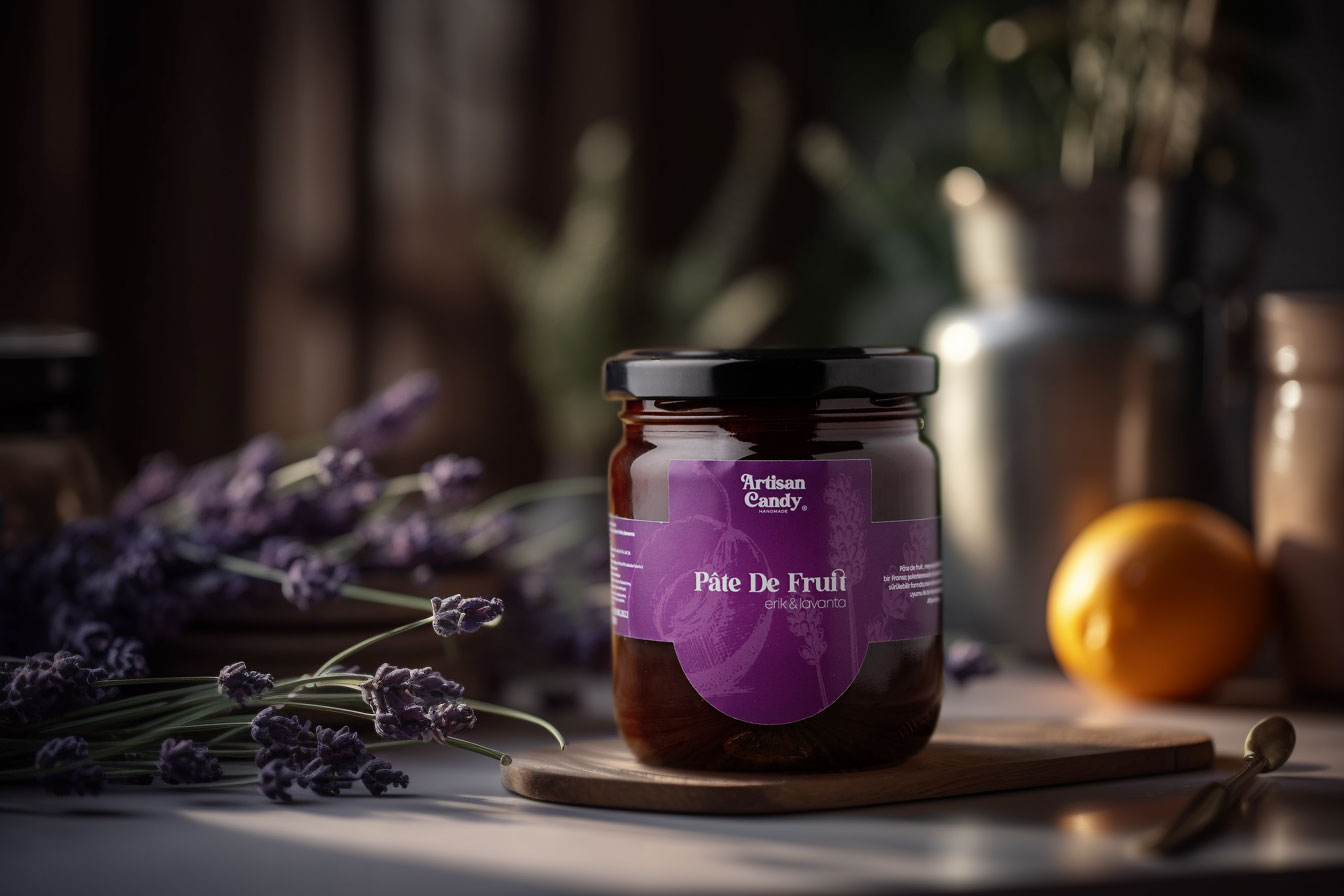

AI Photography
AI photography is a rapidly evolving field that leverages artificial intelligence and machine learning to enhance and improve various aspects of the photographic process. AI can be used to automatically enhance the quality of photos by adjusting factors like brightness, contrast, and color balance. This is often seen in smartphone cameras where AI algorithms can detect scenes and optimize settings for better results.
AI can be used to restore old or damaged photographs. It can automatically remove scratches, dust, and blemishes, as well as enhance faded colors and details. AI algorithms can upscale low-resolution images to higher resolutions, producing clearer and more detailed photos. This is especially useful for enlarging small or pixelated images. AI can effectively reduce noise in photos, which is particularly helpful in low-light or high-ISO situations where digital noise can degrade image quality. Many smartphones now use AI to create simulated background blur (bokeh) in portrait photos. AI algorithms can detect the subject and apply a realistic blur to the background.
AI-powered cameras can detect and recognize faces in real-time. This is used for various purposes, from autofocus and exposure control to facial recognition for security and authentication. AI can analyze the content of photos and automatically tag them with relevant keywords or categories, making it easier to search and organize large photo collections. AI can apply artistic styles to photos, transforming them to look like famous paintings or different artistic styles. This is known as neural style transfer.
AI can identify objects and scenes within photos. This can be used for automated image captioning and content analysis. AI-powered photo editing tools can suggest or automate editing tasks, such as removing objects from photos, changing backgrounds, or adjusting the lighting. AI can analyze images and videos for various purposes, such as content moderation, sentiment analysis, or identifying specific objects or actions within the media. AI can create custom filters and effects for photos, allowing photographers to achieve unique and creative looks. AI-driven compression algorithms can reduce the file size of images while preserving image quality to some extent.
AI in photography continues to evolve, and it is being integrated into various devices and software to make photography more accessible, enjoyable, and efficient. However, it also raises ethical and privacy considerations, particularly in areas like facial recognition and image manipulation. As technology advances, it’s important to strike a balance between innovation and responsible usage in the field of AI photography.